HomeAbout UsContact Us
If you've been diagnosed with sleep apnoea, you may have wondered whether surgery is the only way to fix it — a common concern, especially after hearing about CPAP machines, masks, and long-term therapy. The truth is, surgery is not the first step for most patients with sleep apnoea. Before considering any procedure, it's important to understand exactly what's causing the airway blockage during your sleep — and this starts with a proper evaluation, not an assumption. Dr. Manish Aggarwal, a Pulmonologist and Sleep Specialist, explains when surgery may be considered and what the options involve.
Obstructive Sleep Apnea (OSA) is primarily a physical, structural issue. When you enter deep sleep, the muscles supporting the soft tissues in your throat relax, causing the upper airway to narrow or collapse entirely. While non-invasive positive airway pressure therapies effectively act as a pneumatic splint, some patients present with severe, localized anatomical blockages that complicate standard management.
Sleep Apnoea Surgery includes various specialized procedures designed to alter, clear, or bypass these physical obstructions. Rather than being a primary treatment for everyone, surgical intervention is a highly selective option. It is typically considered when there are clear structural issues, such as enlarged tonsils or distinct jaw misalignment, or when non-surgical treatments have not provided sufficient relief.
Led by Dr. Manish Aggarwal, our clinical focus centers on precise, comprehensive diagnosis. We thoroughly evaluate your unique airway anatomy and review your history with conservative therapies. This detailed assessment ensures we explore surgical options only when there is a clear structural indication, avoiding unnecessary procedures.
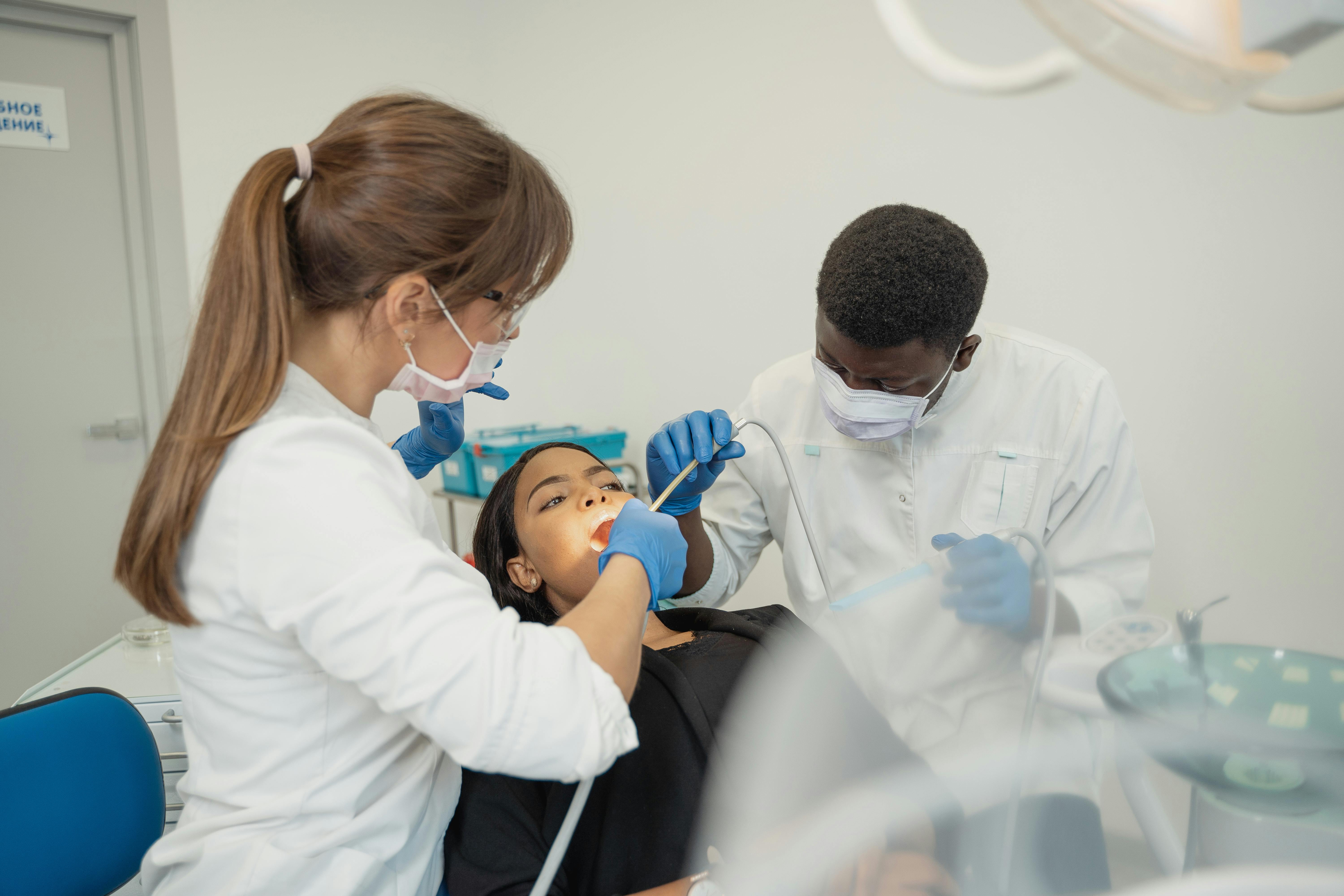
Determining whether a patient is a suitable candidate for surgical intervention requires a balanced comparison of anatomical and clinical factors:
| When Surgery May Be Indicated | When Non-Surgical Options Are Preferred |
|---|---|
|
|
Whether surgery is appropriate depends on a detailed evaluation of your specific airway anatomy, not a simple checklist.
No. Most sleep apnoea patients achieve excellent airway stability without surgery. Before exploring procedural options, we prioritize assessing your response to established non-surgical treatments:
The leading non-surgical treatment for moderate-to-severe OSA, delivering a steady stream of air to keep the respiratory tract open during sleep.
Uses alternating pressure levels to assist patients who need additional breathing support or have difficulty exhaling against fixed pressure streams.
Custom-fit dental devices that gently hold the jaw or tongue forward, widening the airway for mild-to-moderate positional sleep apnoea.
Reduces excess fatty tissue around the neck and upper chest, lowering the physical pressure that can cause the airway to collapse.
Uses specialized wedges or sleep wear to prevent you from sleeping on your back, which helps minimize gravity-induced tongue collapse.
Managing alcohol consumption and optimizing evening routines to prevent excessive muscle relaxation in the throat during sleep.
If surgery is indicated, the procedure is selected to target the exact area of your airway obstruction. Common surgical options include:
Trims, reshapes, or repositions excess tissue at the back of the throat—such as a portion of the soft palate and uvula—to widen the airway and reduce tissue vibration.
Surgically removes enlarged tonsils or adenoids that are physically blocking the upper airway. This is a highly effective procedure when tissue enlargement is the primary cause of obstruction.
Procedures like septoplasty or turbinate reduction clear nasal passages by straightening a deviated septum, making it easier to breathe through the nose during sleep.
A more involved structural procedure that carefully brings the upper and lower jaws forward. This movement pulls the attached soft tissues forward, significantly enlarging the airway space behind the tongue.
Having realistic expectations is important when considering surgical options. Below is an overview of what procedures can achieve and the limitations to keep in mind:
| Potential Clinical Benefits | Key Clinical Limitations |
|---|---|
• Reduces Obstructions: Helps clear identified physical blockages within the upper respiratory tract. • Symptom Relief: Can lead to noticeable reductions in chronic snoring and breathing pauses. • Less Treatment Reliance: May lower a patient's long-term dependence on CPAP machines if the procedure is highly successful. • Permanent Adaptation: Provides a structural adjustment, eliminating the need to use an external device every night. | • Variable Outcomes: Results can vary based on individual healing and complex airway shapes, meaning sleep apnoea may not fully resolve. • Continued Device Use: Some patients may still need to use low-pressure CPAP or oral appliances even after surgery. • Recovery Considerations: Requires an intentional recovery period with temporary post-operative discomfort during tissue healing. • Anatomy Restrictions: Not suitable for non-anatomical sleep conditions or central sleep apnoea. |
We follow a thorough, step-by-step process to ensure your treatment plan is based on clear evidence rather than assumptions:
• Detailed Sleep History: Reviewing your symptoms, daily energy levels, and how long you have experienced sleep disruptions.
• Polysomnography Study: Using a comprehensive sleep study to measure the severity of your apnoea and oxygen changes.
• Airway Mapping: Assessing your physical nasal and throat structures to pinpoint the exact location of any blockages.
• Reviewing Past Treatments: Checking how your body has responded to non-surgical options like CPAP or dental appliances before discussing procedural next steps.
Surgery is one part of an ongoing care plan. Proper recovery and monitoring are essential for achieving the best possible long-term results:
⚠️Healing Timelines: Recovery can range from a few weeks to over a month, depending on the complexity of the procedure.
⚠️Follow-Up Care: Regular check-ins are scheduled to monitor tissue healing and track your physical comfort.
⚠️Follow-Up Sleep Study: A new sleep study is typically scheduled a few months later to objectively check if your breathing patterns have improved.
⚠️Ongoing Wellness Support: Maintaining healthy sleep habits and weight management remains important for preventing the return of symptoms.
As a pulmonologist and sleep specialist, Dr. Manish Aggarwal focuses on understanding the complete picture of your breathing patterns before creating a care plan. We prioritize non-invasive treatments, recommending surgery only when there is a clear, matching structural need.
If surgical intervention is indicated, our team coordinates directly with trusted ENT or Maxillofacial specialists to ensure your procedure is precise and well-targeted.
We provide complete, long-term follow-up care, using objective post-operative tests to monitor your breathing stability and track your overall health over time.
By combining thorough diagnostic testing with a patient-centered approach, we help you find the most reliable path to clear breathing and restful, healthy sleep.
Sleep apnoea surgery encompasses a range of specialized surgical procedures designed to modify, reposition, or remove specific tissues within the upper respiratory tract. The goal is to clear structural blockages that cause Obstructive Sleep Apnea (OSA) when non-invasive interventions have proved unsuccessful.
Surgery is generally reserved for patients who have clear anatomical airway obstructions (such as severely hypertrophied tonsils, a deviated nasal septum, or a retrognathic jaw position) or those who are completely unable to tolerate positive airway pressure (PAP) therapy despite extensive troubleshooting.
CPAP therapy remains the international gold standard first-line treatment for moderate-to-severe OSA due to its non-invasive nature and high efficacy. Surgery is not universally 'better'; it is a highly selective alternative meant for specific structural abnormalities or therapy-resistant cases.
While surgery can significantly widen the airway, improve airflow, and reduce the Apnea-Hypopnea Index (AHI), it does not guarantee a total cure. Sleep apnoea is complex and multifactorial; some patients may still require low-level positional or PAP support after their procedure.
A follow-up sleep study (polysomnography) is typically performed a few months after tissue healing is complete. This provides objective data on your breathing metrics, confirming how effectively the physical blockage was resolved and checking for any lingering sleep disruptions.
We are available to answer queries, schedule urgent EBUS sessions or arrange Sleep diagnostic devices.
If you are dealing with persistent symptoms or exploring alternative options to CPAP therapy, the most effective first step is identifying the exact cause of your airway obstruction. Let's build a clear, evidence-based plan together.