
HomeAbout UsContact Us
Have you been told you have a growth in your airway, or are you experiencing a persistent cough, wheezing, or recurrent chest infections that aren't clearing up? This could be a bronchial carcinoid tumor, a rare and usually slow-growing type of lung tumor. With the right evaluation and treatment from an experienced Bronchial Carcinoid Tumor Specialist, most patients have excellent outcomes.
A bronchial carcinoid tumor is a rare type of lung tumor that develops from hormone-producing cells in the airway lining. Unlike more common lung cancers, carcinoid tumors usually grow slowly and rarely spread to other parts of the body, which is why they're often described as low-grade. They're generally classified as typical or atypical, with typical carcinoids growing more slowly and atypical ones behaving slightly more aggressively.
Because these tumors grow inside the airway, they can sometimes block airflow and lead to repeated infections in the affected part of the lung. Evaluation by a Bronchial Carcinoid Tumor Specialist helps confirm the diagnosis and decide the right treatment approach early.
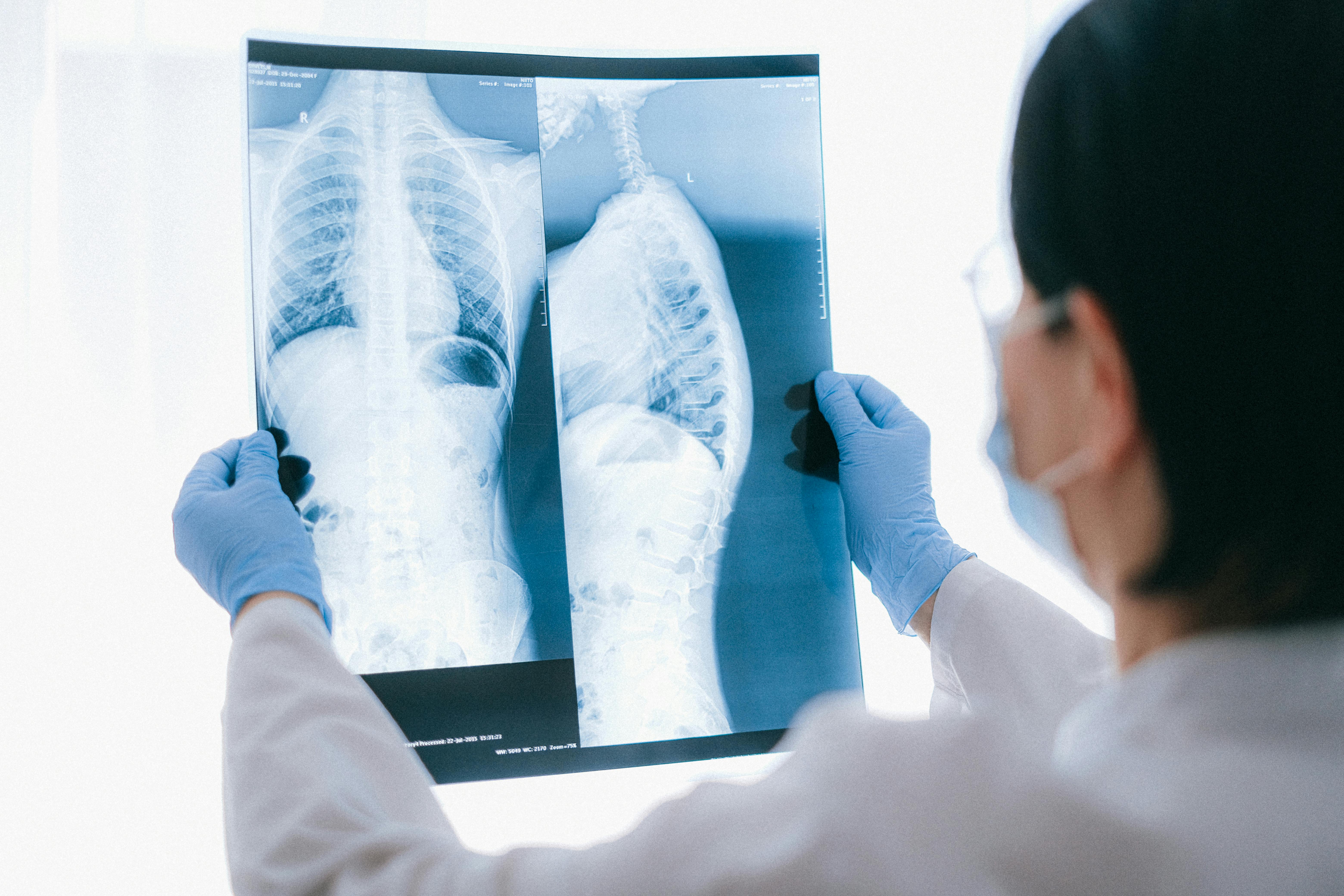
Symptoms often develop gradually and can be mistaken for asthma or a lingering chest infection. Common signs include:
The exact cause of bronchial carcinoid tumors isn't fully understood, but certain factors are associated with a higher risk:
Age : Most commonly diagnosed in adults between 40 and 60 years, though it can occur at any age.
Genetic Conditions : A condition called Multiple Endocrine Neoplasia type 1 (MEN1) is linked to a higher risk.
Smoking : Less strongly linked than with other lung cancers, but may play a role in some atypical carcinoid cases.
Unknown Factors : In most patients, no clear cause is identified.
Confirming SCLC and identifying how far it has spread is essential for choosing the right treatment approach. Dr. Manish Aggarwal uses the following tests:
Bronchial carcinoid tumors are slow-growing and generally carry a better outlook than other lung cancers when caught and treated early. Dr. Manish Aggarwal plans treatment around the tumour's size, location, and type, particularly whether it's typical or atypical, as this shapes both the approach and the risk of recurrence.
Surgery remains the mainstay of treatment, aiming to remove the tumour while preserving healthy lung tissue, though select cases may be treated through bronchoscopy instead. Since these tumours are slow-growing, long-term follow-up with your Bronchial Carcinoid Tumor Specialist helps ensure early detection if it ever returns.
Every case of bronchial carcinoid tumor is different, and so is the right treatment for it by Dr. Manish Aggarwal, your trusted Bronchial Carcinoid Tumor Specialist in Delhi.
Dr. Manish Aggarwal is a pulmonologist with years of experience diagnosing and managing lung tumors, including bronchial carcinoid tumors. He completed his MBBS and MD in Tuberculosis and Chest Diseases from Delhi University, followed by NHS clinical experience in the United Kingdom and the prestigious FRCP (Glasgow) from the Royal College of Physicians.
He is known for explaining conditions in simple, easy-to-understand language and building treatment plans around each patient's specific test results, rather than offering a one-size-fits-all approach.
Common symptoms include a persistent cough, wheezing, coughing up blood, recurrent chest infections in the same part of the lung, shortness of breath, and chest pain. In rare cases where the tumor releases hormones, patients may experience flushing, diarrhoea, or a rapid heartbeat.
Yes, a bronchial carcinoid tumor is technically a type of cancer, but it behaves very differently from more aggressive lung cancers. Most carcinoid tumors grow slowly, rarely spread, and have a much better outlook, which is why they're often described as low-grade.
The prognosis for bronchial carcinoid tumors is generally very good, especially for typical carcinoids that are diagnosed early and removed with surgery. Atypical carcinoids carry a slightly higher chance of recurrence or spread, so ongoing follow-up is recommended. A Bronchial Carcinoid Tumor Specialist can give a more personalised outlook based on your specific tumor type and test results.
Life expectancy for most patients with a typical bronchial carcinoid tumor is excellent, often similar to that of the general population, particularly after successful surgical removal. Atypical carcinoids or those diagnosed at a later stage may have a somewhat different outlook, so it's best to discuss your specific case with a specialist.
It's uncommon, but atypical carcinoid tumors carry a higher risk of spreading compared to typical carcinoids. This is why identifying the exact tumor type through biopsy is an important part of planning treatment and follow-up.
Yes, a cough that doesn't go away, especially alongside repeated chest infections in the same area or coughing up blood, should be evaluated by a pulmonologist. Early evaluation helps identify the cause, including rare conditions like bronchial carcinoid tumors, and allows for timely treatment.
We are available to answer queries, schedule urgent EBUS sessions or arrange Sleep diagnostic devices.
Most bronchial carcinoid tumors are slow-growing and respond very well to treatment. Get an expert diagnosis and a personalised plan from Dr. Manish Aggarwal, your trusted Bronchial Carcinoid Tumor Specialist in Delhi.