
Struggling with Poor Sleep? Get Answers with a Level 1 Polysomnography Test
A Level 1 Sleep Study, also called Polysomnography, is the most reliable way to find out what is really happening while you sleep. This overnight, fully supervised Polysomnography test is conducted under the expert care of Dr. Manish Aggrawal, helping you get a clear and accurate diagnosis for sleep-related problems.
What is Polysomnography?
Polysomnography is a detailed sleep test that records how your body behaves while you sleep. It tracks your brain waves, heartbeat, breathing pattern, oxygen levels, eye movement, and muscle activity throughout the night.
Unlike home sleep tests, a Level 1 sleep study is done in a sleep lab under the direct supervision of a trained technician, which makes it the gold standard for diagnosing sleep disorders.
This test gives doctors a complete picture of your sleep cycle, so they can spot problems that a simple checkup cannot catch. If you have been feeling tired all day, snoring loudly, or waking up gasping for air, a Polysomnography test can help find the exact cause.
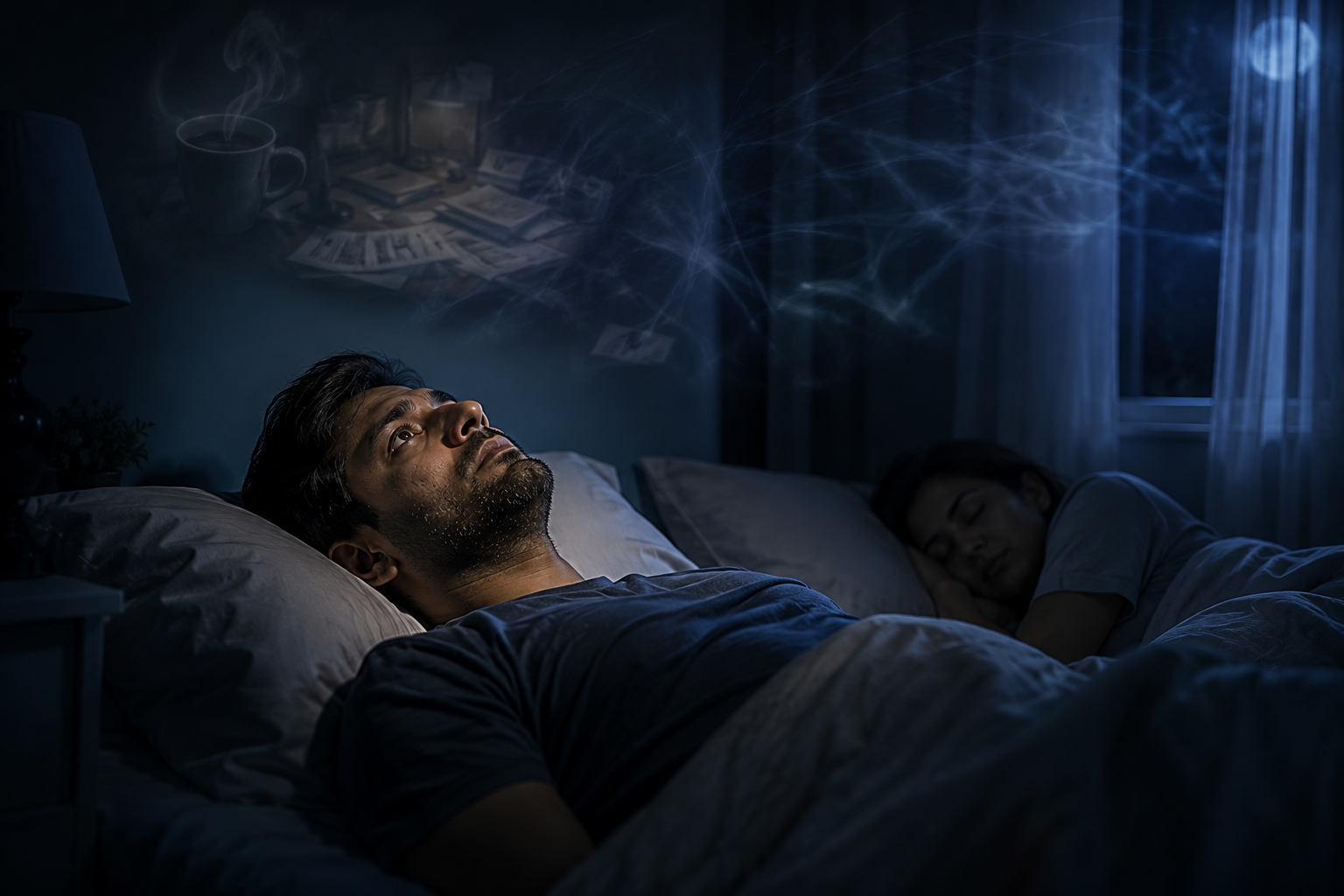
Why Choose a Level 1 Polysomnography?
A Level 1 sleep study is considered the most accurate type of test because a qualified technician stays with you throughout the night. This means:
1. Equipment
Any equipment issues are fixed immediately, so you get clean and reliable data
2. Technician
The technician can adjust your treatment (like CPAP settings) in real time if needed.
3. The Stage
Every stage of your sleep, from light sleep to deep sleep to REM sleep, is carefully recorded
4. Patients
It is suitable for people with complex health conditions or other sleep disorders that home tests may miss
This close supervision is why doctors like Dr. Manish Aggrawal recommend Level 1 Polysomnography for patients who need a precise and dependable diagnosis.
Sleep Disorders Diagnosed Through Polysomnography
This test is used to detect and confirm a wide range of sleep disorders, including:
| Type of Tests | What It Feels Like |
|---|---|
| Obstructive Sleep Apnea (OSA) | Repeated pauses in breathing caused by a blocked airway |
| Central Sleep Apnea | A condition where the brain fails to send proper signals to the breathing muscles |
| Insomnia | Ongoing trouble falling or staying asleep. |
| Narcolepsy | Sudden and uncontrollable episodes of falling asleep during the day. |
| Restless Legs Syndrome (RLS) | An uncomfortable urge to move the legs, especially at night. |
| Periodic Limb Movement Disorder | Repeated jerking or twitching of the limbs during sleep. |
| REM Sleep Behaviour Disorder | Acting out vivid dreams physically while asleep. |
| Parasomnias | Unusual behaviours during sleep, such as sleepwalking or night terrors. |
| Snoring related breathing problems | That affect sleep quality. |
If you or your family have noticed any of these symptoms, a Polysomnography test can help confirm the diagnosis and guide the right treatment plan.
What to Expect During Your Polysomnography Test
Knowing what happens during the test can ease any worry you may have. Here is a simple breakdown:
- ✓You will arrive at the sleep lab in the evening and settle into a comfortable, private room
- ✓A technician will gently attach small sensors to your scalp, face, chest, and legs. These sensors do not hurt and simply record signals
- ✓You will sleep as you normally would, while the equipment records your brain activity, breathing, oxygen levels, heart rate, and body movements
- ✓The technician monitors everything from a nearby room and steps in only if needed
- ✓In the morning, the sensors are removed and you are free to go about your day
A few simple steps can help your test results come out more accurate:
Poor nighttime sleep impacts your systemic function during waking hours through multiple physical and cognitive indicators:
- !Avoid caffeine and alcohol on the day of the test
- !Wash your hair the night before, but skip oils, gels, or sprays
- !Bring your regular night clothes and any bedtime items that help you relax
- !Continue your usual medicines unless your doctor tells you otherwise
- !Try to avoid daytime naps on the day of the test
Is Polysomnography Safe?
Yes. This test is painless and non invasive. The sensors only record information and do not send any electricity into your body. There are no needles, no radiation, and no major risks involved. Some people feel mild discomfort from the sensors or find it hard to sleep in a new place, but this does not usually affect the quality of the results.
Psychological & Stress Factors
- •Work pressure, financial worries, family issues
- •Anxiety, including specific anxiety about not being able to sleep
- •Clinical depression (sleep disturbance is a major symptom)
Behavioral & Lifestyle Habits
- •Irregular sleep timings, long daytime naps, inconsistent routines
- •Shift work, night shifts, or rotating shifts that disrupt your body clock
- •Excess caffeine (tea, coffee, energy drinks) later in the day
- •Alcohol use (helps sleep initially but severely disrupts later cycles)
- •Mobile phone and screen use before bed (blue light delays sleep onset)
Medical & Respiratory Conditions
- •Chronic illnesses like diabetes, thyroid disorders, or acid reflux
- •Obstructive Sleep Apnea (breathing pauses that repeatedly wake the brain)
- •Respiratory diseases like asthma or COPD making nighttime breathing uncomfortable
- •Medications for blood pressure, asthma, or depression that interfere with sleep
Why Choose Dr. Manish Aggrawal for Your Polysomnography Test?
With years of experience in diagnosing and treating sleep disorders, Dr. Manish Aggrawal offers a patient friendly approach to every sleep study. From the first consultation to the final report, patients receive clear explanations, a comfortable testing environment, and a personalised treatment plan based on their results.If poor sleep is affecting your health, mood, or daily life, do not wait. A Level 1 Polysomnography test can uncover the root cause and set you on the path to better sleep.
Consult Dr. Manish Aggrawal Now
If you've been lying awake at night, waking up exhausted, or relying heavily on caffeine and naps to get through the day, it's worth getting checked. Insomnia is highly treatable, and early diagnosis makes resolution easier.
Frequently Asked Questions
Polysomnography tests for a wide range of sleep disorders, including obstructive sleep apnea, central sleep apnea, insomnia, narcolepsy, restless legs syndrome, periodic limb movement disorder, and other unusual sleep behaviours. It records your brain waves, breathing, oxygen levels, heart rate, and body movements to give a complete picture of your sleep health.
This test is considered very safe. It is non invasive and painless, with no needles or radiation involved. The main discomfort some people report is difficulty falling asleep with sensors attached or in an unfamiliar room, but this rarely affects the accuracy of the test.
The 3% rule refers to how oxygen desaturation is measured during a sleep study. If your blood oxygen level drops by at least 3% from your baseline during a breathing pause, it is counted as a significant event. This rule helps doctors calculate your Apnea Hypopnea Index (AHI) and determine the severity of sleep apnea.
A standard Polysomnography test is done overnight and usually takes around 7 to 8 hours, matching a normal night's sleep. You arrive in the evening, sleep while being monitored, and the test ends in the morning once enough data has been recorded.
In most cases, yes. A referral from your doctor helps ensure the test is medically necessary and that your results are reviewed by a qualified sleep specialist like Dr. Manish Aggrawal.
Most patients do sleep well enough for the technician to gather reliable data, even if it takes a little longer to fall asleep than usual. The sensors are lightweight and designed not to disturb natural sleep positions.
Still have questions?
We are available to answer queries, schedule urgent EBUS sessions or arrange Sleep diagnostic devices.
Restore Your Nighttime Recovery
Break the cycle of sleepless nights and daytime exhaustion. Get a personalized, medical sleep management plan from Dr. Manish Aggarwal in Delhi.