
HomeAbout UsContact Us
Have you had a sudden, sharp chest pain along with breathlessness that came on out of nowhere? This could be a pneumothorax, often described as a lung rupture or collapsed lung, in which air leaks into the space around the lung, causing it to partially or fully collapse. This is often a medical emergency, and prompt evaluation by an experienced Pneumothorax Specialist is essential.
Pneumothorax happens when air leaks into the space between the lung and the chest wall, causing the lung to partially or fully collapse. It's commonly referred to as a lung rupture, since it often occurs when a small air-filled sac on the lung's surface bursts, or when an injury allows air to enter this space.
As air builds up, it puts pressure on the lung, making it harder to breathe. Some cases are small and resolve on their own, while others need urgent treatment from a Pneumothorax Specialist to release the trapped air and allow the lung to re-expand.
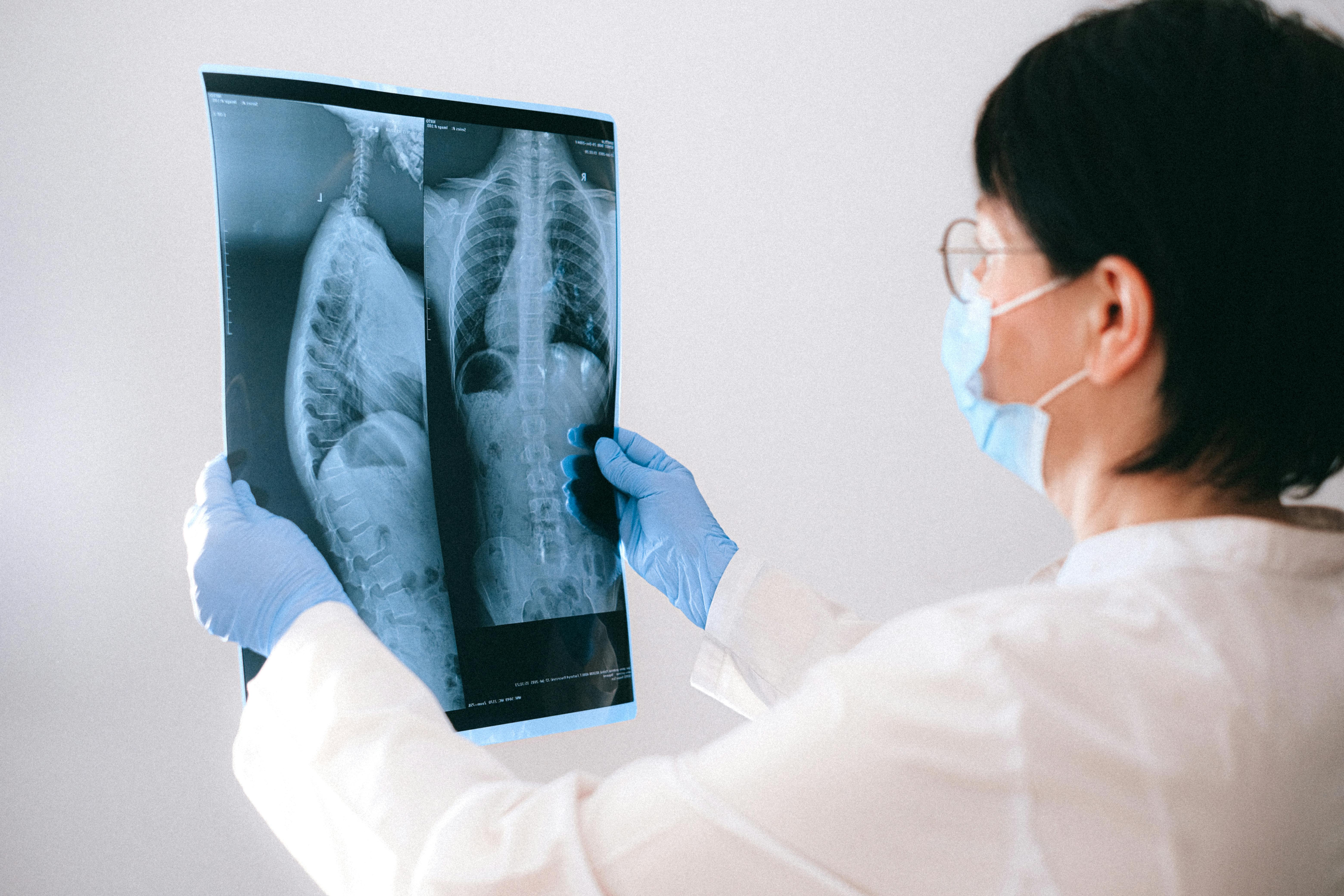
Symptoms usually appear suddenly and can range from mild to severe depending on how much of the lung has collapsed. Common signs include:
Pneumothorax can happen with or without an obvious injury, and is generally grouped into two main types:
Primary Spontaneous Pneumothorax : Occurs in people without any known underlying lung disease, often due to a small air-filled sac (bleb) on the lung surface bursting. It is more common in tall, thin, young individuals and smokers.
Secondary Spontaneous Pneumothorax : Occurs in people with existing lung conditions like COPD, asthma, or interstitial lung disease, where the weakened lung tissue is more prone to rupture.
Traumatic Pneumothorax : Caused by an injury to the chest, such as a fall, accident, or a rib fracture.
Tension Pneumothorax : A rare but life-threatening type where air keeps building up with no way to escape, putting severe pressure on the heart and lungs.
Confirming a pneumothorax quickly and assessing how much of the lung has collapsed is essential for deciding the right treatment. Dr. Manish Aggarwal uses the following tests:
A pneumothorax, or collapsed lung, can range from a small pocket of trapped air that resolves on its own to a life-threatening emergency needing immediate action. Dr. Manish Aggarwal decides the right treatment based on the size of the pneumothorax, your symptoms, and whether it's a first episode or a recurrence, since this range calls for very different levels of intervention.
Smaller cases are often just observed as the air reabsorbs naturally, while larger ones may need air removed directly or drained continuously through a chest tube, with oxygen therapy supporting the process throughout. Recurrent cases may require surgery to address the underlying air leak, and a tension pneumothorax demands emergency treatment without delay. Since pneumothorax can recur, especially the spontaneous type, follow-up care with your Pneumothorax Specialist helps monitor for any signs of it happening again.
A pneumothorax needs prompt evaluation. Get expert care from Dr. Manish Aggarwal, your trusted Pneumothorax Specialist in Delhi.
Dr. Manish Aggarwal is a pulmonologist with years of experience diagnosing and treating pneumothorax and other lung and breathing-related conditions. He completed his MBBS and MD in Tuberculosis and Chest Diseases from Delhi University, followed by NHS clinical experience in the United Kingdom and the prestigious FRCP (Glasgow) from the Royal College of Physicians.
He is known for explaining conditions in simple, easy-to-understand language and building treatment plans around each patient's specific severity and risk of recurrence, rather than offering a one-size-fits-all approach.
Pneumothorax is most commonly caused by a small air-filled sac on the lung's surface bursting, which can happen without any underlying lung disease, especially in tall, thin, young individuals and smokers. It can also be caused by existing lung conditions like COPD, or by an injury to the chest.
It can be, especially a tension pneumothorax, which is a medical emergency that needs immediate treatment. Smaller pneumothoraces are less urgent and may even resolve on their own with monitoring, but any sudden chest pain with breathlessness should be evaluated promptly to rule out a more serious case.
The two main types are spontaneous pneumothorax, which happens without an injury and is further divided into primary and secondary types, and traumatic pneumothorax, which is caused by an injury to the chest. A tension pneumothorax is a rare, severe form of either type that requires emergency treatment.
People at higher risk include tall, thin, young individuals, smokers, people with existing lung conditions like COPD or asthma, those who have had a previous pneumothorax, and anyone who experiences a significant chest injury. A family history of pneumothorax can also increase the risk in some cases.
Yes, pneumothorax, particularly the spontaneous type, has a meaningful chance of recurring, especially in the first year or two after the first episode. This is why follow-up care and, in some cases, surgery to prevent recurrence are recommended for patients with repeated episodes.
If you experience sudden, sharp chest pain along with breathlessness, especially if it's severe, worsening, or accompanied by a bluish tinge to your lips or skin, seek emergency care immediately rather than waiting, since this could indicate a serious or life-threatening pneumothorax.
We are available to answer queries, schedule urgent EBUS sessions or arrange Sleep diagnostic devices.
Sudden chest pain and breathlessness need prompt evaluation, not a wait-and-see approach. Get expert diagnosis and timely treatment from Dr. Manish Aggarwal, your trusted Pneumothorax Specialist in Delhi.