
HomeAbout UsContact Us
Have you been told there's a growth on the lining around your lung, or are you experiencing chest pain, breathlessness, or a persistent cough? This could be a pleural tumor, a growth that develops in the thin lining surrounding the lungs. With the right evaluation from an experienced Pleural Tumor Specialist, most cases can be accurately diagnosed and managed appropriately.
A pleural tumor is an abnormal growth that develops in the pleura, the thin layer of tissue that surrounds the lungs and lines the inside of the chest wall. These tumors can be benign, meaning non-cancerous and generally slow-growing, or malignant, meaning cancerous and requiring more urgent evaluation.
Some pleural tumors develop on their own, while others occur when cancer from elsewhere in the body spreads to the pleura. Because symptoms can overlap with several other lung and chest conditions, evaluation by a Pleural Tumor Specialist is important to confirm the diagnosis and plan the right treatment.
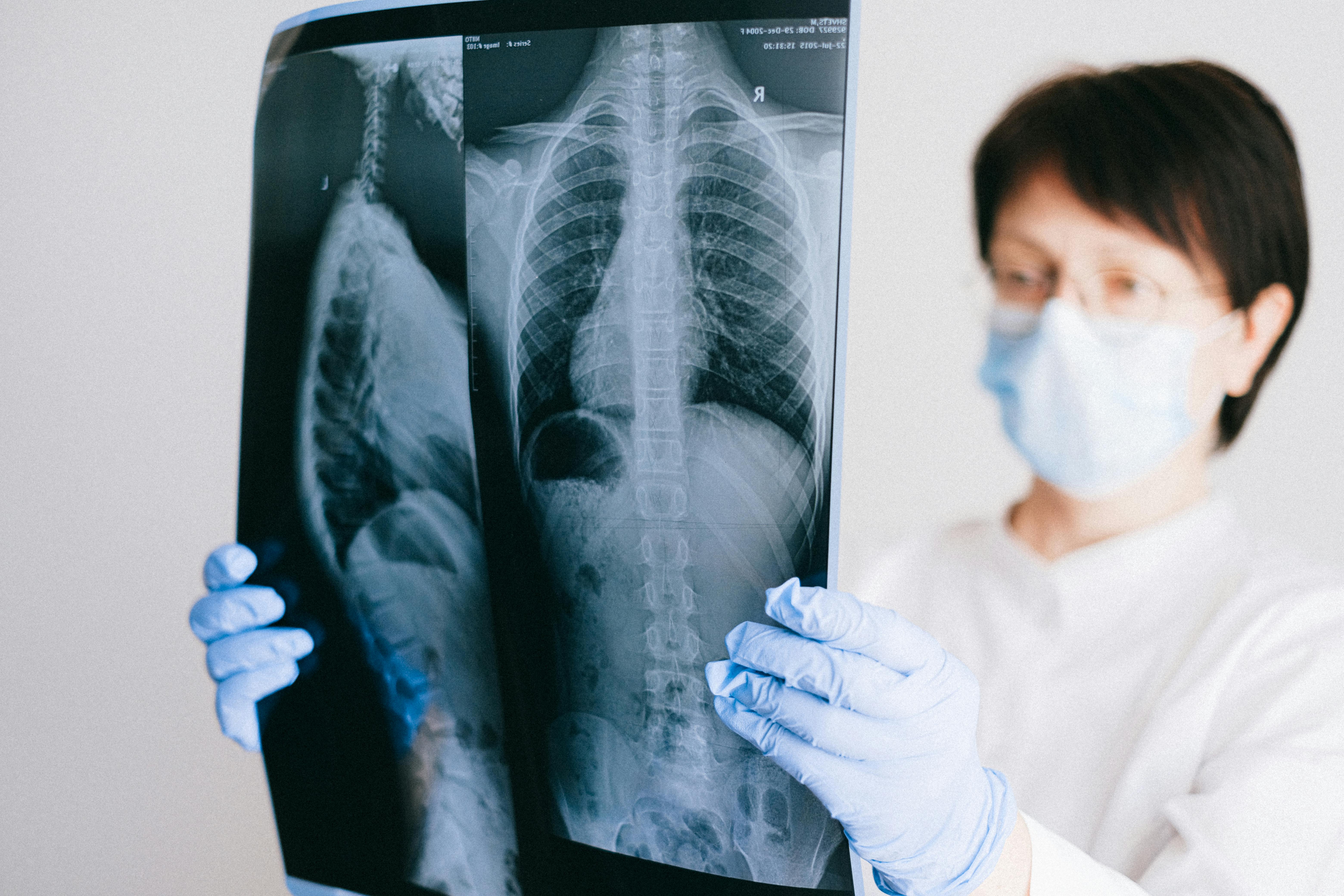
Symptoms often develop gradually and can be mistaken for other lung or chest conditions. Common signs include:
Pleural tumors are broadly grouped into benign and malignant types, each with different underlying causes:
Benign Pleural Tumors : Such as solitary fibrous tumors of the pleura, which are non-cancerous, slow-growing, and often found incidentally on imaging.
Malignant Mesothelioma : A cancer of the pleura strongly linked to long-term asbestos exposure.
Metastatic Pleural Tumors : Occur when cancer from another part of the body, such as the lung, breast, or ovaries, spreads to the pleura.
Occupational Exposure : Long-term exposure to asbestos or other industrial materials is one of the most significant risk factors for malignant pleural tumors.
Confirming whether a pleural tumor is benign or malignant is the most important step, since it determines the entire treatment approach. Dr. Manish Aggarwal uses the following tests:
Pleural tumors are uncommon and can be either harmless growths or a sign of a more serious cancer, so getting the diagnosis right shapes everything that follows. Dr. Manish Aggarwal builds the treatment plan around whether the tumour is benign or malignant, its size, and how it's affecting the patient, since a small, symptom-free growth calls for a very different approach than an active malignancy.
Many benign tumours simply need periodic monitoring, while symptomatic ones and operable malignant tumours are usually treated with surgery, sometimes alongside draining any related fluid buildup. For malignant pleural tumours like mesothelioma, treatment often combines chemotherapy and radiation with surgery, or replaces it when surgery isn't feasible, and cases requiring specialised cancer care are coordinated based on the tumour's type and extent of spread.
Every pleural tumor is different, and so is the right approach for it, by Dr. Manish Aggarwal, your trusted Pleural Tumor Specialist in Delhi.
Dr. Manish Aggarwal is a pulmonologist with years of experience diagnosing and managing pleural tumors and other chest conditions. He completed his MBBS and MD in Tuberculosis and Chest Diseases from Delhi University, followed by NHS clinical experience in the United Kingdom and the prestigious FRCP (Glasgow) from the Royal College of Physicians.
He is known for explaining conditions in simple, easy-to-understand language and building treatment plans around each patient's specific test results, rather than offering a one-size-fits-all approach.
The most common primary tumor of the pleura is the solitary fibrous tumor, which is usually benign. However, when it comes to malignant pleural tumors, mesothelioma, strongly linked to asbestos exposure, is the most well-known type. Metastatic tumors, where cancer spreads to the pleura from elsewhere in the body, are also commonly seen.
Benign pleural tumors are often found incidentally on a scan done for another reason, since they frequently cause no symptoms at all. When symptoms do occur, they tend to be mild and may include chest discomfort or a cough, without the more concerning signs like rapid weight loss or worsening breathlessness that are more typical of malignant tumors.
Pleural tumors are broadly classified as benign, such as solitary fibrous tumors, or malignant, such as mesothelioma. Malignant tumors can also be primary, meaning they start in the pleura itself, or metastatic, meaning they've spread there from cancer elsewhere in the body, most often the lung or breast.
Not always. Small, benign pleural tumors without symptoms are often just monitored with periodic imaging. Surgery is generally recommended if the tumor is causing symptoms, growing over time, or if there's any uncertainty about whether it could be malignant.
No, though the two can be related. A pleural tumor is an abnormal growth in the pleura, while pleural effusion is a build-up of fluid around the lung, which can sometimes occur as a result of a pleural tumor. A Pleural Tumor Specialist can determine whether one is causing the other in your specific case.
Yes, persistent or unexplained chest pain and breathlessness should always be evaluated by a pulmonologist. While many causes are not serious, timely evaluation ensures that any pleural tumor or other underlying condition is identified and managed early.
We are available to answer queries, schedule urgent EBUS sessions or arrange Sleep diagnostic devices.
Get an expert evaluation and a personalised treatment plan for pleural tumours from Dr. Manish Aggarwal, your trusted Pleural Tumour Specialist in Delhi.