A cough lasting more than two weeks may be more than pollution or a cold. Learn the early signs of TB, how doctors confirm it, and what TB treatment in Delhi involves, so you can act early and recover fully.
One of the most common things people ignore is a cough. You blame the weather, the pollution, or a cold that "just won't leave." But when a cough drags on for weeks, it may be your body's way of asking for help. It could be one thing: tuberculosis, or TB.
The good news is that TB is curable. The right TB treatment, started on time, can completely clear the infection. This guide explains, in plain language, how to recognise TB, how doctors confirm it, and what TB treatment in Delhi looks like, so you know exactly what to do next.
What Is TB, and Who Can Get It?
Tuberculosis (TB) is an infection caused by a germ (bacteria) that usually affects the lungs. It can also affect other parts of the body, such as the glands, bones, brain, or the lining around the lungs.
When TB settles deep in lung tissue and causes inflammation and infection, doctors may call it tubercular pneumonia. It behaves like ordinary pneumonia, but it needs a completely different TB treatment plan, because normal antibiotics do not work against it.
Anyone can catch TB, but some people are at higher risk:
People with diabetes
People with a weak immune system, including those living with HIV
Smokers and people with a tobacco addiction
People who are underweight or poorly nourished
People who have contact with someone with active TB
Individuals who work or live in congested and poorly-ventilated settings
What Causes Tuberculosis?
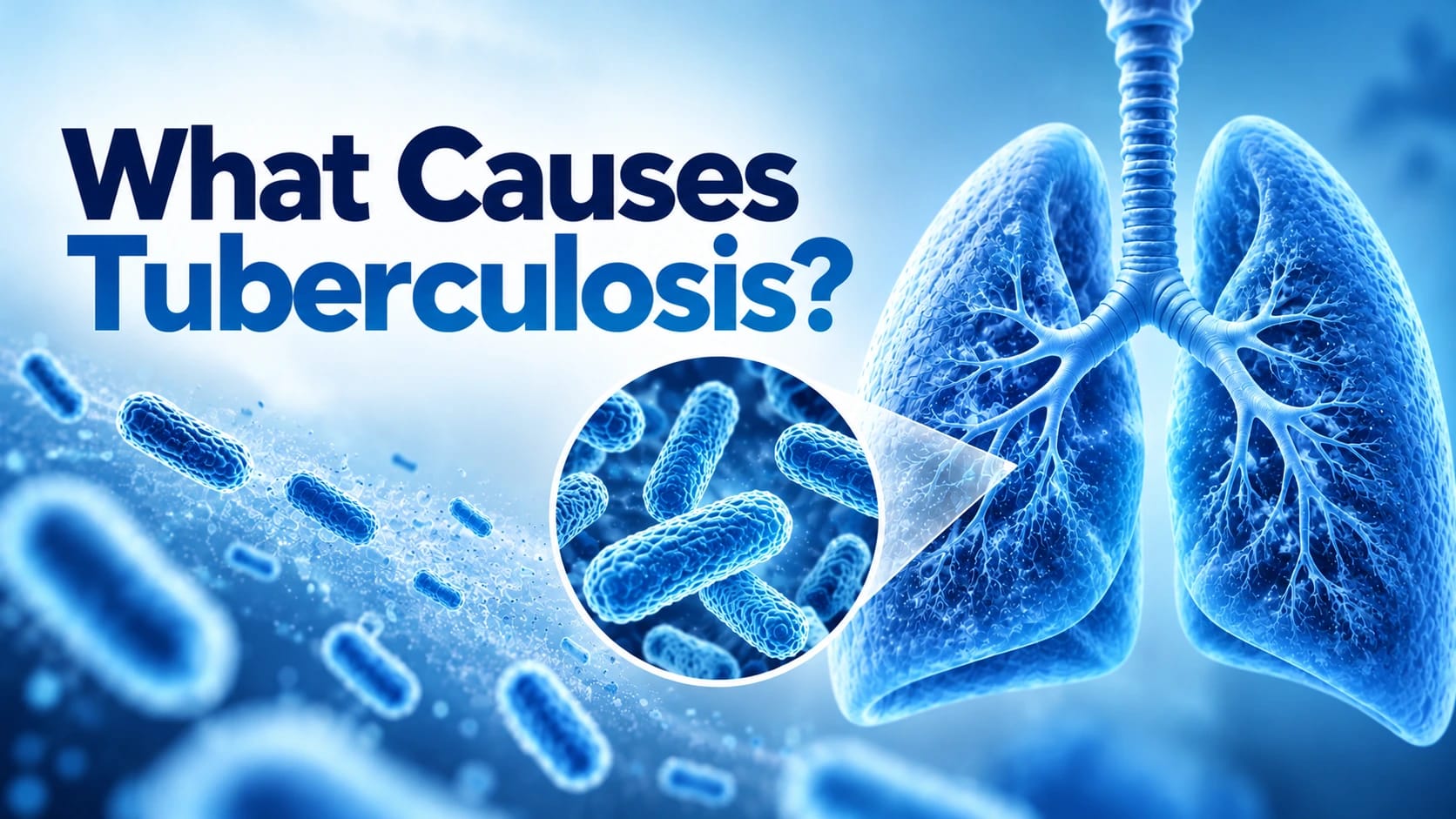
TB is caused by bacteria called Mycobacterium tuberculosis. It spreads through the air. When an active lung TB individual coughs, sneezes, or even speaks loudly, small droplets containing the germ float in the air. Another person can breathe them in and get infected.
It is not spread via shaking hands, exchanging food, or touching the same surfaces. Also, not everyone who inhales the pathogen gets sick. In many people, the body keeps the germ asleep (called latent TB). It becomes active only when the body's defences become weak.
TB Symptoms: When Is a Cough More Than Just a Cough?
Early TB can mimic a regular cold, and that is why it is often neglected. Watch out for these signs:
A cough lasting more than 2 weeks
Thick phlegm or sputum, sometimes with blood in the spit
A fever that keeps coming back, often in the evening
Night sweats that soak your clothes
Constant tiredness and loss of appetite
Having one of these does not mean you definitely have TB. Many lung problems, including asthma-related conditions, infections, and even lung tumours, cause similar symptoms. That is why proper testing matters.
When Should You See a Chest Specialist in Delhi?

Do not wait and watch for too long. Book a visit with a chest specialist if:
Your cough lasts more than 2 weeks
You cough up blood, even a small streak
You have fever and night sweats along with weight loss
Someone at home has been diagnosed with TB
You have diabetes or a weak immune system and a cough that will not go away
Delhi's air quality already makes coughs common, so many people assume theirs is "just pollution." A chest specialist can tell the difference and start the right TB treatment in Delhi without wasting precious weeks.
How Is TB Diagnosed? Common Tests Explained
You cannot confirm TB by symptoms alone. Doctors usually use a mix of these tests:
Chest X-ray or CT scan: Shows shadows, spots, or cavities in the lungs.
Sputum test: A sample of your phlegm is checked under a microscope and tested for TB germs. A rapid test called CBNAAT (GeneXpert) can also show whether the germ is resistant to common medicines.
Skin or blood tests: These show whether your body has ever been exposed to the TB germ.
Bronchoscopy: A thin, flexible camera tube is passed into the airways to look inside. See more about bronchoscopy in Delhi and bronchoalveolar lavage (BAL), where the lungs are gently rinsed to collect a sample.
EBUS or lung biopsy: If swollen glands or a lung patch need checking, a small tissue sample may be taken through EBUS or a transbronchial lung biopsy.
Pleural fluid tests: If water has collected around the lung (a pleural effusion), a pleural aspiration or pleural biopsy can find the cause.
Accurate testing is the foundation of good TB treatment, because the medicine plan depends on the exact type of TB you have.
Why Early Evaluation Matters
Get checked early. You and everyone else around you are safe.
Easier recovery: TB caught early usually means less lung damage.
Lower risk of complications: Untreated TB can cause scarring, bronchiectasis, fluid around the lungs, or serious breathing trouble.
Family safety: Active lung TB can spread to loved ones. After a couple of weeks of regular medicines, most people become far less likely to pass it on.
Avoiding drug resistance: Delayed or incomplete treatment can lead to TB that no longer responds to the usual medicines, which takes longer and is harder to treat.
Correct diagnosis: Sometimes a "TB-like" cough turns out to be COPD, a lung nodule, or another condition. Testing early means you’ll get the correct care.
What Does TB Treatment Involve?
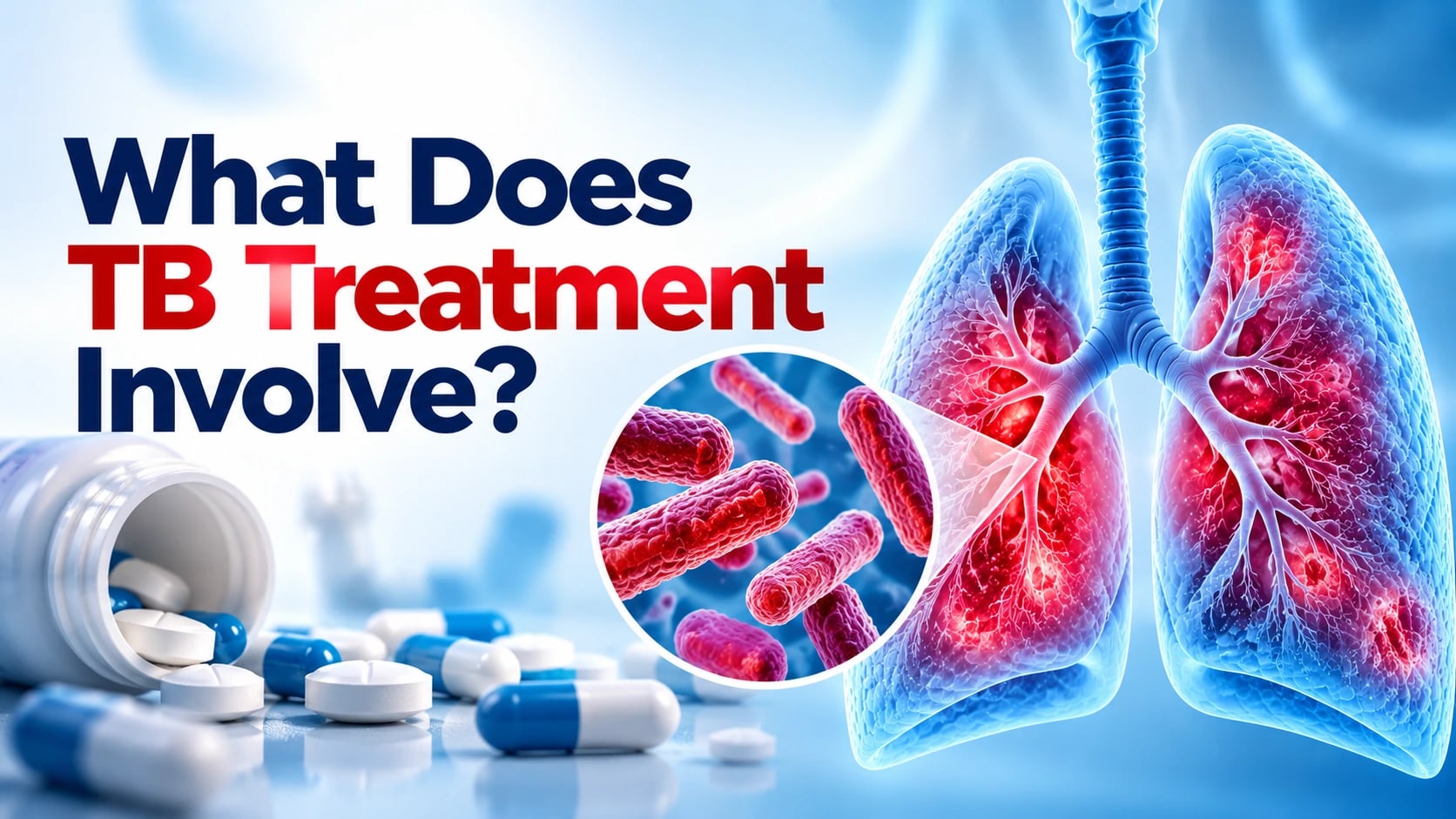
The standard TB treatment is a course of antibiotics taken every day for at least six months. Usually, four medicines are given for the first two months, followed by two medicines for the next four months. Some types of TB, or drug-resistant TB, need longer and different combinations.
Key things to remember:
You will often start feeling better within a few weeks, but do not stop early. The germs are still alive inside you, and stopping early allows them to return stronger.
Take your medicines at the same time every day, and never skip doses.
Eat protein-rich food, avoid smoking and alcohol, and rest well.
Some medicines may cause nausea, itching, or yellowing of the eyes. Tell your doctor at once instead of stopping medicines on your own.
Regular follow-up visits, sputum tests, and chest X-rays show how well the medicines are working.
TB medicines are also available free of charge through India's government TB programme, so cost should never be a reason to delay TB treatment in Delhi.
Book Your Consultation with Dr Manish Aggarwal
If your cough has been hanging around for weeks, do not guess. Get it checked. Dr Manish Aggarwal is a chest and lung specialist who focuses on finding the real reason behind your symptoms and guiding you through the right TB treatment in Delhi step by step.
📍 Clinic address: BM 2, opposite Prabhu Dayal Public School, Shalimar Bagh, Delhi, 110034
📞 Call: +91 98995 54095
✉️ Email: Aggarmanish@gmail.com
Book your appointment today. Early answers mean faster recovery.
Conclusion
A cough that lasts more than two weeks deserves attention, not a home remedy. TB is a serious infection, but it is also one of the most curable lung diseases when found early. With proper tests, a full course of medicines, and regular follow-up, most people recover completely and return to normal life.
If you or someone in your family has symptoms, take the first step now. The right TB treatment in Delhi starts with a simple check-up.
Frequently Asked Questions
Yes. TB is curable in almost all cases when the full course of TB treatment is taken exactly as prescribed, usually for six months or more. Even drug-resistant TB can be cured with the right medicines, though it takes longer.
Once the course is complete and tests show you are clear, you can return to normal life. Your doctor may advise a final chest X-ray and occasional check-ups. Some people are left with mild lung scarring, which may cause a lingering cough or breathlessness. A lung function test such as spirometry can check how well your lungs are working.
Lung TB can spread through the air. Most people become much less infectious after about two to three weeks of regular medication. TB in other parts of the body, such as bones or glands, usually does not spread
Regular TB takes at least six months. Drug-resistant TB or TB in the brain or bones may take longer, sometimes 9 to 18 months or more.
No. Feeling better does not mean the germs are gone. Stopping early can make TB return and become drug-resistant.
Not exactly. TB is the disease. Tubercular pneumonia is when the TB infection causes pneumonia-like inflammation inside the lung.