Not sure if sleep apnea treatment at home is enough? Dr. Manish Aggarwal explains which habits actually help, which popular tricks fall short, and when it is time to get tested.
If you wake up tired after a full night in bed, snore loudly, or gasp for air in your sleep, you have probably searched for sleep apnea treatment at home. That is a smart first step. The big question is whether sleep apnea treatment at home is enough, or whether some of those popular tricks are a waste of your time.
In this guide, Dr. Manish Aggarwal explains how sleep apnea treatment really works, which home habits are worth your effort, and when it is time to get professional help. We have kept things simple so anyone can follow along.
What Is Sleep Apnea and Why Does It Matter?
Sleep apnea is a sleep-related breathing disorder in which your breathing repeatedly stops and starts while you sleep. Each pause can last ten seconds or more. Your brain then wakes you for a moment to restart your breathing, usually without you remembering it.
The most common type is obstructive sleep apnea (OSA), where the throat muscles relax and block the airway. A less common type is central sleep apnea, where the brain does not send the right signals to the breathing muscles.
This is not just a snoring problem. Without proper sleep apnea treatment, the condition can raise the risk of high blood pressure, heart disease, stroke, type 2 diabetes, and drowsy driving accidents.
Common Signs You Should Not Ignore
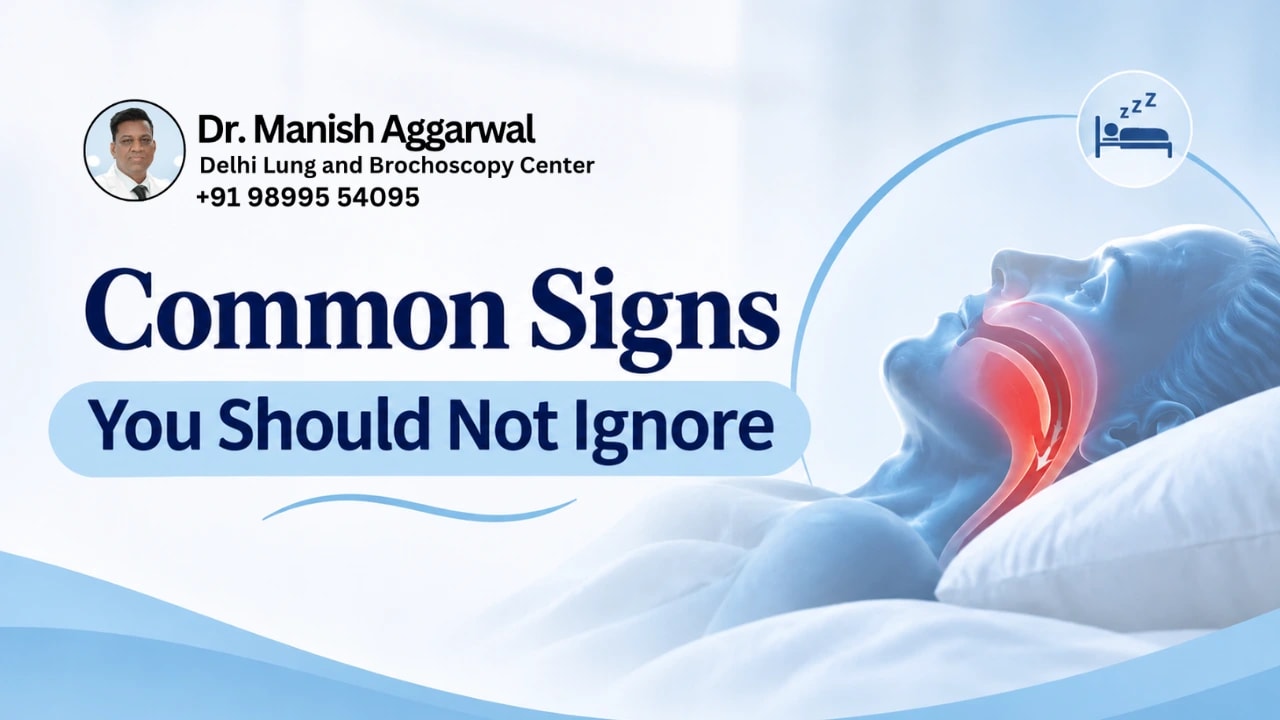
The earlier you spot the warning signs, the more effective sleep apnea treatment at home can be. Watch out for these:
Loud, regular snoring
Pauses in breathing that someone else notices
Waking up choking or gasping
Morning headaches and a dry mouth or sore throat
Heavy daytime sleepiness, even after seven or eight hours in bed
Trouble focusing, forgetfulness, and mood swings
Waking up often at night to use the bathroom
Many patients tell us the same story: "I thought I was just a loud snorer and a bad sleeper. Then my family told me I kept stopping breathing at night." Once they began sleep apnea treatment, most said they felt like a new person within a few weeks.
Risk Factors That Raise Your Chances
Knowing your risks helps you plan sleep apnea treatment at home in a smarter way. You are more likely to develop sleep apnea if you:
Carry extra weight, especially around the neck and belly
Are male, or are a woman after menopause
Are over 40
Have a family history of sleep apnea
Drink alcohol or take sedatives close to bedtime
Smoke
Have a blocked or congested nose
Have a narrow airway, large tonsils, or a thick neck
Does Sleep Apnea Treatment at Home Really Work?
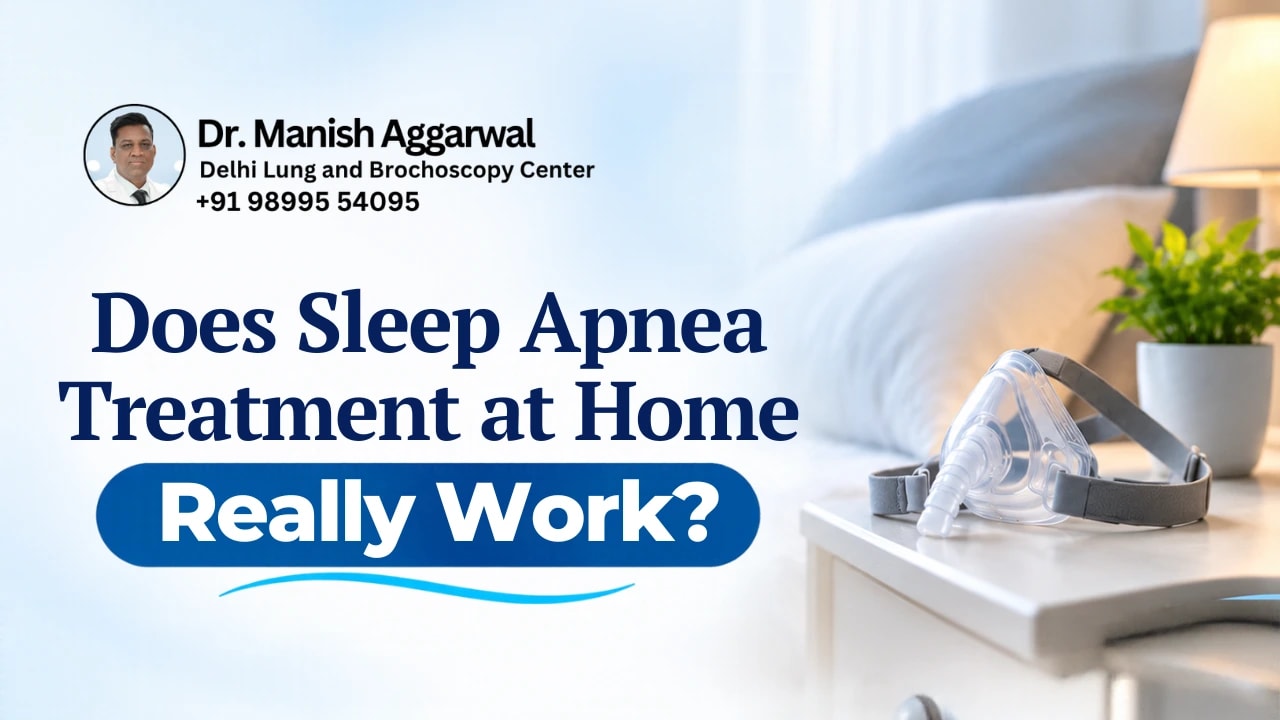
Honest answer: sometimes. Sleep apnea treatment at home works best for mild cases, or as a helper alongside medical care. For moderate to severe sleep apnea, home habits alone usually cannot keep your airway open all night.
lifestyle changes can ease mild obstructive sleep apnea, while devices such as CPAP are the usual choice for moderate to severe cases.
That is why the first step is always a proper diagnosis. A sleep study shows how many times per hour your breathing pauses, and that number decides which sleep apnea treatment suits you. Guessing at home is never a good plan, and a home sleep apnea test can be a simple first step.
Here is a point many people miss. Sleep apnea treatment at home does not only mean natural remedies. A CPAP machine is also used in your own bedroom, so medical therapy and home care can work side by side.
Home Remedies That Actually Work
These habits are the backbone of sleep apnea treatment at home. They are simple, low cost, and supported by medical evidence.
Lose extra weight. Even a modest drop can reduce the fatty tissue around your throat and ease airway blockage.
Sleep on your side. Lying on your back lets your tongue and soft throat tissue fall backward. Side sleeping, or positional therapy, helps many people.
Cut back on alcohol. Alcohol relaxes throat muscles and makes breathing pauses longer and more frequent.
Quit smoking. Tobacco use inflames and swells the airway, which makes snoring and apnea worse.
Manage nasal congestion. A saline rinse or a doctor-approved nasal spray can help air move more freely.
Move your body. Regular exercise, about 30 minutes on most days, can improve sleep apnea symptoms even before the scale moves.
Keep a steady sleep schedule. Going to bed and waking up at the same time supports deeper, calmer sleep.
Stick with these steps for a couple of months and you will likely notice better sleep, less snoring, and more energy. This is the most practical sleep apnea treatment at home you can begin tonight.
A Simple Night Routine for Easier Breathing
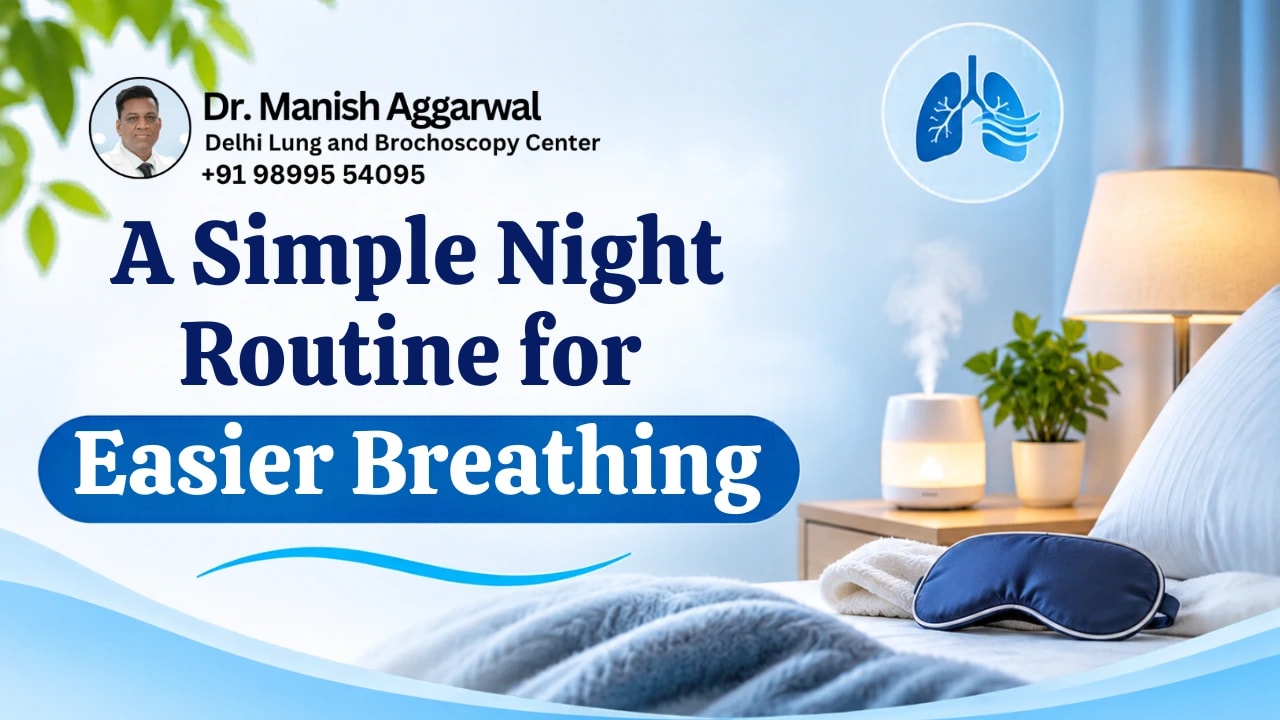
If you want a ready-made plan, here is a routine many patients find easy to follow. Think of it as sleep apnea treatment at home made practical:
Finish dinner about three hours before bed
Skip alcohol and sleeping pills in the evening
Do a saline nasal rinse if your nose feels blocked
Place a pillow behind your back to stop rolling over
Keep your bedroom cool, dark, and quiet
Switch off screens at least 30 minutes before sleep
These small habits will not replace medical sleep apnea treatment in severe cases, but they make every other option work better.
Home Methods That Do Not Work
Not every trick you see online is helpful. Here is what usually falls short as sleep apnea treatment at home:
Anti-snoring sprays, mouth strips, and special pillows used alone. They may reduce noise, but they do not stop breathing pauses.
Over-the-counter sleeping pills. They relax throat muscles even more and can make apnea worse.
Herbal teas and essential oils. There is no solid proof that they open the airway.
Smartphone snoring apps. They can track sound, but they cannot diagnose sleep apnea.
Waiting and hoping it goes away. Untreated moderate or severe sleep apnea tends to get worse over time.
These may feel like help, but they often delay real sleep apnea treatment. Remember, quiet snoring does not always mean safe breathing.
Medical Options When Home Care Is Not Enough
If your sleep study shows moderate or severe sleep apnea, or your home habits are not giving results, your doctor will suggest proper sleep apnea treatment. Common options include:
CPAP (continuous positive airway pressure). A mask delivers steady air pressure to keep your airway open. It is the most proven sleep apnea treatment available.
BiPAP or auto-adjusting machines. These change air pressure as you breathe, which suits some patients better.
Oral appliances. A custom dental appliance moves your jaw forward and is often used for mild to moderate cases.
Surgery or nerve stimulation. Options such as sleep apnea surgery are considered when other options have not worked or are not suitable.
Dr. Manish Aggarwal often reminds patients that the best sleep apnea treatment is the one you will actually use every night. For many people, the ideal plan is a mix of medical therapy and sleep apnea treatment at-home habits that support it.
Tips to Get Comfortable with CPAP
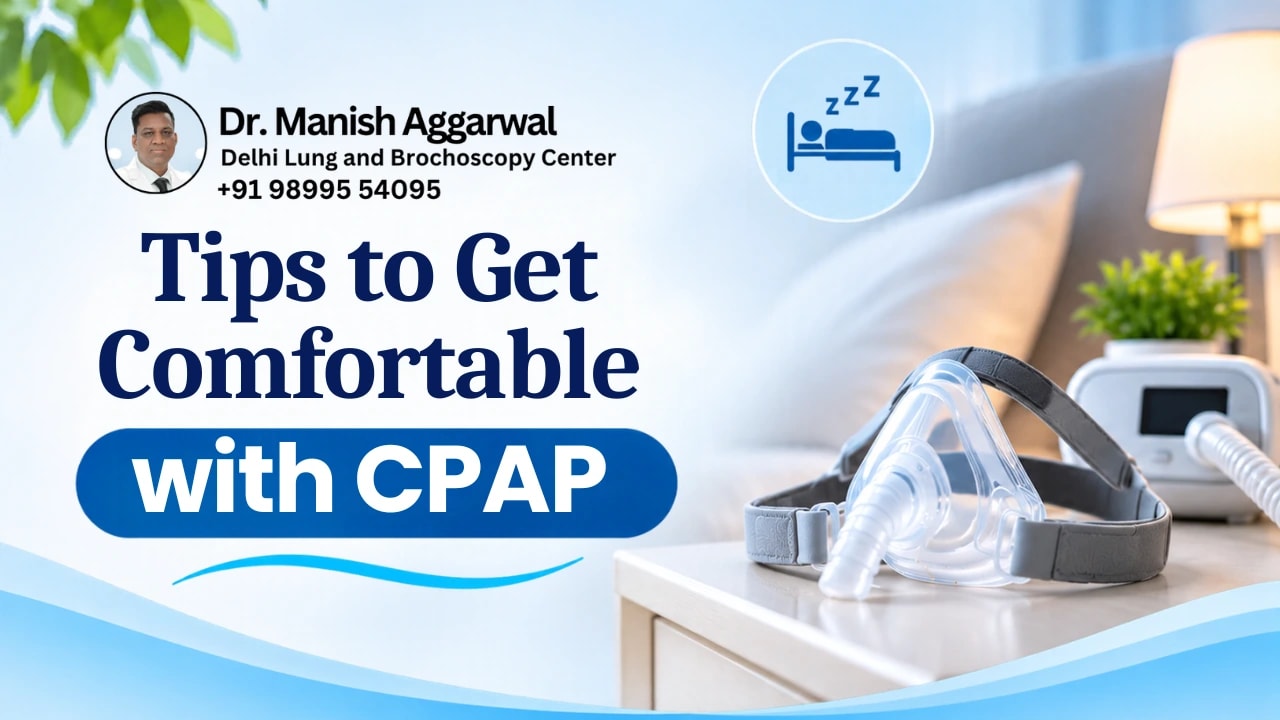
Most people feel awkward with a mask at first. A few tweaks make a big difference:
Wear the mask for short periods during the day to get used to it
Get the right mask size and style for your face
Use a heated humidifier if your mouth or nose feels dry
Clean the mask and tubing every week
Go for regular follow-ups so settings can be adjusted
A little patience goes a long way. Most people adapt within a few weeks and then wonder how they ever slept without it.
When Should You See a Pulmonologist?
Book an appointment if you notice any of these:
Loud snoring along with daytime sleepiness
Someone has seen you stop breathing in your sleep
Morning headaches or high blood pressure that is hard to control
You feel sleepy while driving or at work
You have tried sleep apnea treatment at home for a few weeks with no improvement
Early sleep apnea treatment protects your heart, brain, and mood. If you have been relying only on sleep apnea treatment at home and still feel exhausted, take that as a sign to get tested.
Meet Dr. Manish Aggarwal, Your Pulmonologist
If you decide to get checked, you can meet Dr. Manish Aggarwal, a pulmonologist in Delhi who focuses on the diagnosis, treatment, and long-term care of breathing and lung problems, including sleep-related breathing conditions. His approach is patient-centered, which simply means he listens first, explains clearly, and builds a plan around your daily life.
When it comes to sleep apnea treatment, Dr. Aggarwal believes in getting the diagnosis right before choosing any plan. He often tells patients that sleep apnea treatment at home works best when it is guided by test results, not guesswork.
Here is what you can expect when you visit:
A detailed conversation about your snoring, tiredness, and sleep habits
A clear explanation of what your sleep study results mean
Practical advice on home habits you can start right away
A treatment plan that matches the severity of your sleep apnea
Follow-ups to check how well your plan is working
If you have been struggling with poor sleep or loud snoring, book an appointment and take the first step toward calmer nights.
Final Thoughts
Sleep apnea treatment at home is a great starting point, especially for mild cases. Weight loss, side sleeping, less alcohol, no smoking, and regular exercise can truly improve your nights. But home care has limits, and tricks like sprays, strips, and apps will not fix the root problem.
A complete sleep apnea treatment plan begins with a proper sleep study and a clear diagnosis. From there, you can combine medical therapy with sleep apnea treatment at-home habits for the best results. Better sleep is possible, and it often starts with one honest conversation with your doctor.
Ready for Better Sleep?
Loud snoring, restless nights, and feeling worn out every morning are signs worth checking, not ignoring. Meet Dr. Manish Aggarwal, get the right diagnosis, and start a plan that helps you breathe and rest properly again.
Visit the Clinic: BM 2, opposite Prabhu Dayal Public School, Shalimar Bagh, Delhi, 110034
Call or WhatsApp: +91 98995 54095
Write to Us: Ready for Better Sleep?
Loud snoring, restless nights, and feeling worn out every morning are signs worth checking, not ignoring. Meet Dr. Manish Aggarwal, get the right diagnosis, and start a plan that helps you breathe and rest properly again.
Visit the Clinic: BM 2, opposite Prabhu Dayal Public School, Shalimar Bagh, Delhi, 110034
Call or WhatsApp: +91 98995 54095
Write to Us: Aggarmanish@gmail.com
Frequently Asked Questions
It depends on the cause and severity. In mild cases linked to weight, alcohol, or sleeping position, sleep apnea treatment at home habits can reduce symptoms a lot, and sometimes almost clear them. For moderate to severe cases, doctors usually recommend CPAP, an oral appliance, or surgery. In many people, sleep apnea is managed rather than cured, so steady sleep apnea treatment is the real goal.
The most useful natural steps are losing excess weight, sleeping on your side, avoiding alcohol and sedatives near bedtime, quitting smoking, treating nasal congestion, and exercising regularly. These form the base of safe sleep apnea treatment at home. Natural methods work best when your sleep apnea is mild, and they should always be checked with a doctor first.
In obstructive sleep apnea, the main cause is the throat muscles relaxing too much during sleep, which narrows or blocks the airway. Excess weight is the biggest contributor, because extra tissue around the neck makes that blockage more likely. Once the cause is clear, the right sleep apnea treatment becomes much easier to choose.
Rarely. If your sleep apnea is linked to weight gain, alcohol, or sleeping on your back, it can improve a lot when those factors change. If it comes from the shape of your airway, it usually stays. Waiting and hoping is risky, so proper sleep apnea treatment is the safer path.
No. CPAP is the most proven option for moderate to severe cases, but it is not the only one. Oral appliances, positional therapy, weight management, and surgery are also used, depending on what your sleep study shows.
Yes, in many cases. A home sleep apnea test is a simple option for people with a high chance of obstructive sleep apnea. It should be read by a doctor, because an app or a guess cannot replace it.
Sleeping on your side is usually best. Lying on your back lets the tongue and soft throat tissue slide back and narrow the airway. Raising the head of your bed slightly can also help some people.