Learn about common sleep apnea symptoms, including loud snoring, gasping during sleep, morning headaches, and daytime tiredness. Discover when to get tested, how sleep apnea is diagnosed, and which treatments can help you sleep better.
You sleep for seven or eight hours, yet you wake up feeling as if you barely slept. Your partner says you snore loudly, or that you suddenly stop breathing and then gasp for air. These could be sleep apnea symptoms, and they deserve attention, not a shrug.
As a pulmonologist, I often meet patients who have lived with these signs for years, assuming they were just “tired” or “getting older.” In this guide, I explain the most common sleep apnea symptoms, who is at risk, and when it’s time to get tested.
What Is Sleep Apnea?
Sleep apnea is a sleep disorder in which breathing repeatedly stops and starts during sleep. The most common type is obstructive sleep apnea (OSA). It happens when the throat muscles relax too much and the airway narrows or closes.
Each pause can last 10 seconds or longer. Your brain briefly wakes you to restart breathing, often without you remembering it. This happens again and again through the night, so your sleep is never truly restful. Because you are asleep during these episodes, sleep apnea symptoms are frequently first noticed by a bed partner or family member.
Common Sleep Apnea Symptoms to Watch For
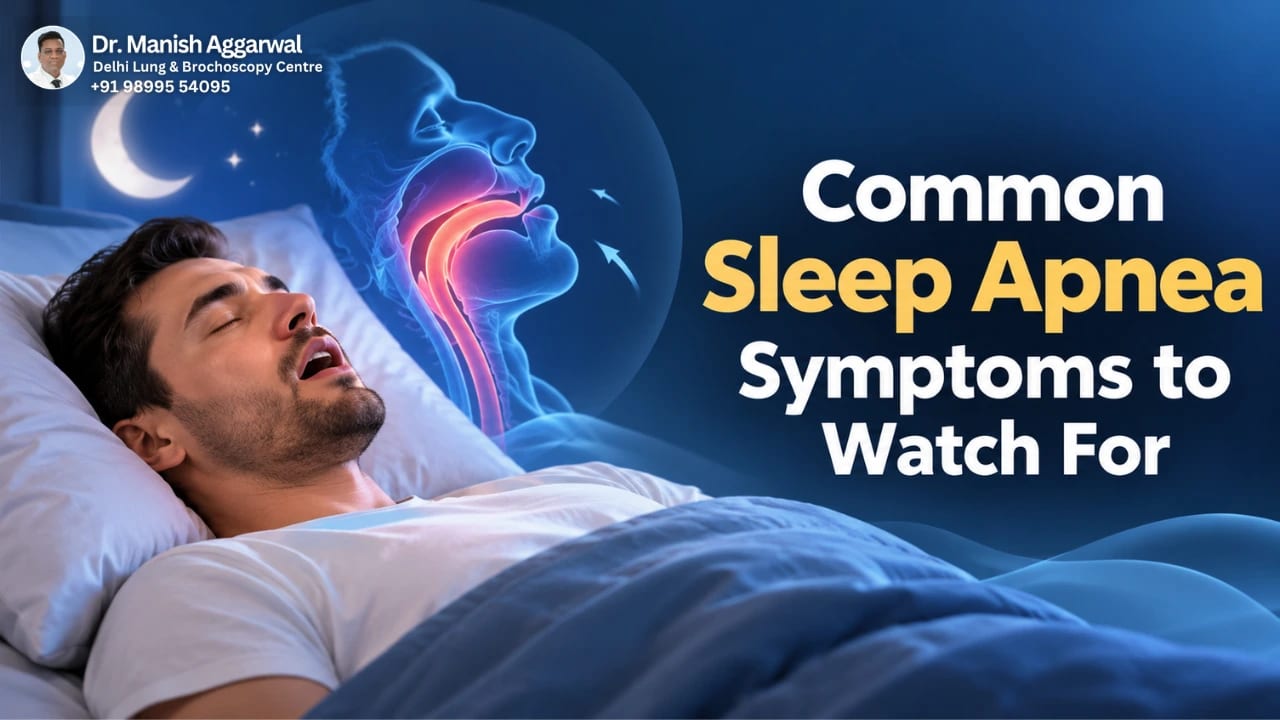
Sleep apnea symptoms appear both at night and during the day. Here is what to look out for.
Nighttime Symptoms
Loud, persistent snoring
Gasping, choking, or snorting during sleep
Pauses in breathing noticed by someone else
Restless sleep and frequent tossing and turning
Waking up often to urinate
Night sweats
Waking with a dry mouth or sore throat
Daytime Symptoms
Waking up tired, even after a full night in bed
Morning headaches
Excessive sleepiness, such as dozing off at your desk, while watching TV, or behind the wheel
Trouble concentrating or forgetting things
Irritability, low mood, or anxiety
Reduced interest in intimacy
A note on snoring: Not everyone who snores has sleep apnea, and not everyone with sleep apnea snores loudly. But snoring combined with other sleep apnea symptoms, such as gasping or constant daytime tiredness, is a red flag.
Do You Snore, Gasp, or Wake Up Tired? A Quick Self-Check
Ask yourself these questions:
Do you snore loudly enough to be heard through a closed door?
Do you often feel tired or sleepy during the day?
Has anyone seen you stop breathing or choke in your sleep?
Do you have high blood pressure?
Are you over 50, or do you have a thick neck or excess weight?
If you answered “yes” to several of these, you may be experiencing sleep apnea symptoms, and a medical evaluation is a smart next step. This checklist is only a screening guide, not a diagnosis.
Who Is More Likely to Develop Sleep Apnea?
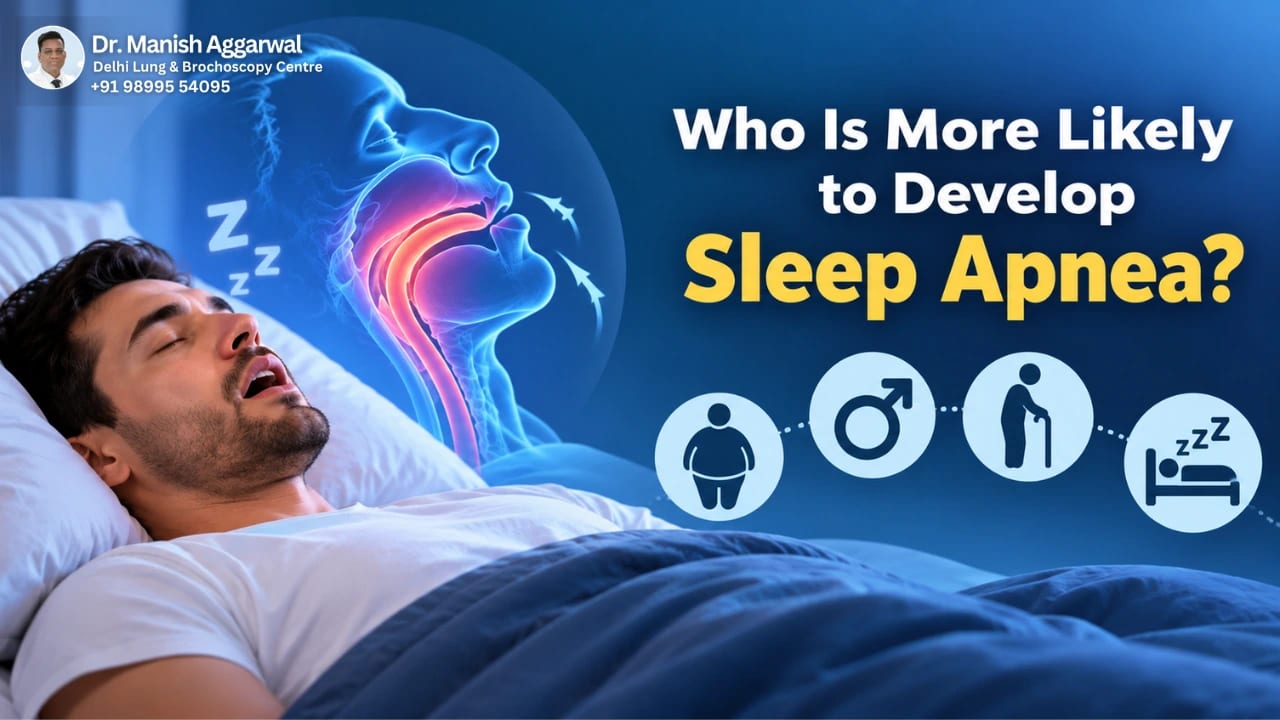
Anyone can develop sleep apnea, including children and people of normal weight. However, the risk is higher if you:
Are overweight or have a larger neck size
Are over 40, or are a man (women’s risk rises after menopause)
Have a family history of sleep apnea
Drink alcohol, use sedatives, or smoke
Have nasal congestion or enlarged tonsils
Have high blood pressure, diabetes, heart disease, or an underactive thyroid
Women often report different sleep apnea symptoms, such as insomnia, morning headaches, anxiety, and fatigue, rather than classic loud snoring. As a result, people sometimes miss the condition.
Why You Should Never Ignore Sleep Apnea Symptoms
Left untreated, sleep apnea symptoms are more than an annoyance. Repeated drops in oxygen and constant sleep disruption strain your body and can increase the risk of:
High blood pressure and heart disease
Irregular heartbeat (arrhythmia)
Stroke
Type 2 diabetes
Accidents caused by drowsy driving
Poor performance at work and strained relationships
The good news is that sleep apnea is very treatable once it is diagnosed.
When to Get Tested for Sleep Apnea
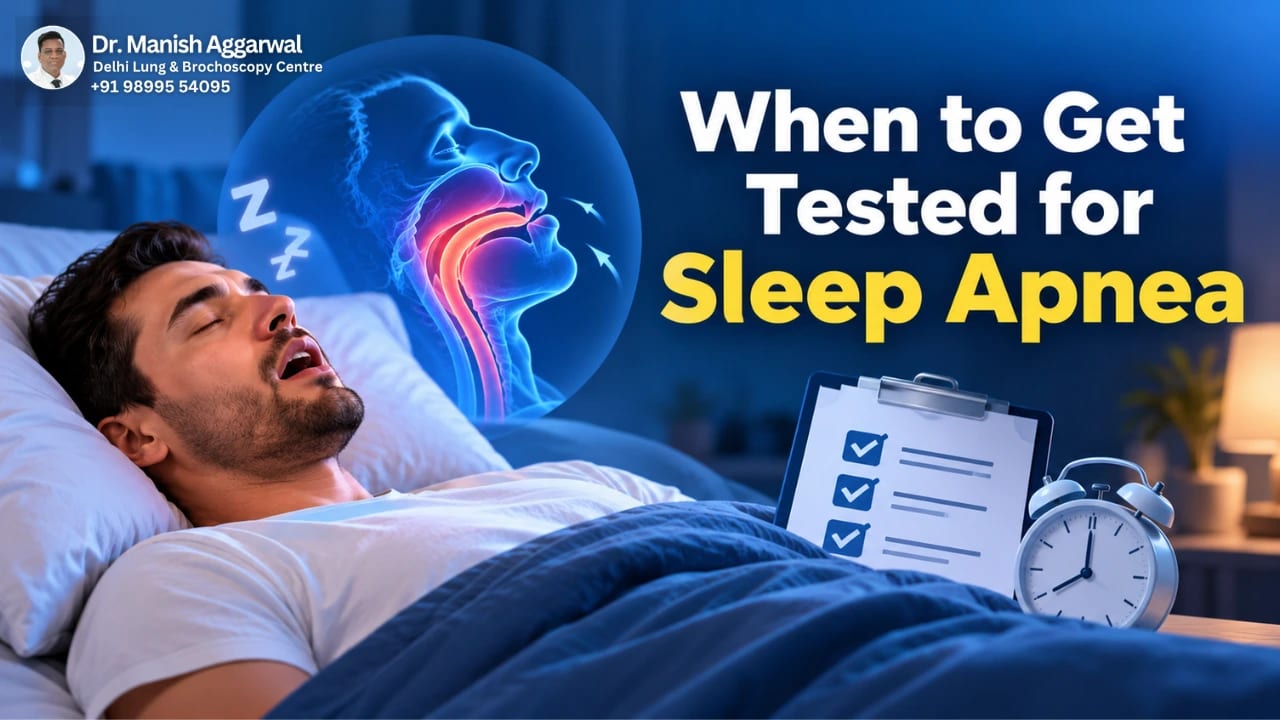
Consult a doctor if:
You snore loudly most nights, especially with gasping or choking
Someone has seen you stop breathing during sleep
You feel sleepy during the day despite enough hours in bed
You wake up with headaches or a dry mouth regularly
You have hard-to-control blood pressure, a heart condition, or diabetes along with any of the signs above
You feel drowsy while driving
Please don’t wait if you notice any of these sleep apnea symptoms, especially drowsiness behind the wheel.
How Is Sleep Apnea Diagnosed?
Diagnosis begins with a consultation. Your doctor will ask about your sleep habits and symptoms, and examine your nose, throat, and neck. If sleep apnea is suspected, you will usually be advised to take a sleep study, which can be done in two ways:
In-lab sleep study (polysomnography): You sleep at a sleep center while sensors record breathing, oxygen levels, heart rate, and sleep stages.
Home sleep apnea test: A simple portable device measures your breathing and oxygen levels in your own bed.
The result is called the Apnea-Hypopnea Index (AHI), the number of breathing interruptions per hour. It helps classify sleep apnea as mild, moderate, or severe. Understanding your sleep apnea symptoms alongside your test results helps us choose the right treatment for you.
Treatment Options
Treatment depends on severity and your overall health. Options include:
CPAP therapy: A device that keeps your airway open with gentle air pressure
Oral appliances: Custom devices that reposition the jaw or tongue
Weight management and positional therapy
Treating nasal or throat problems that obstruct breathing
Sleep Apnoea Surgery: In select cases only
Many patients notice better energy and sleep quality soon after starting treatment, and relief from sleep apnea symptoms often improves daily life dramatically.
Lifestyle Tips That Can Ease Sleep Apnea Symptoms
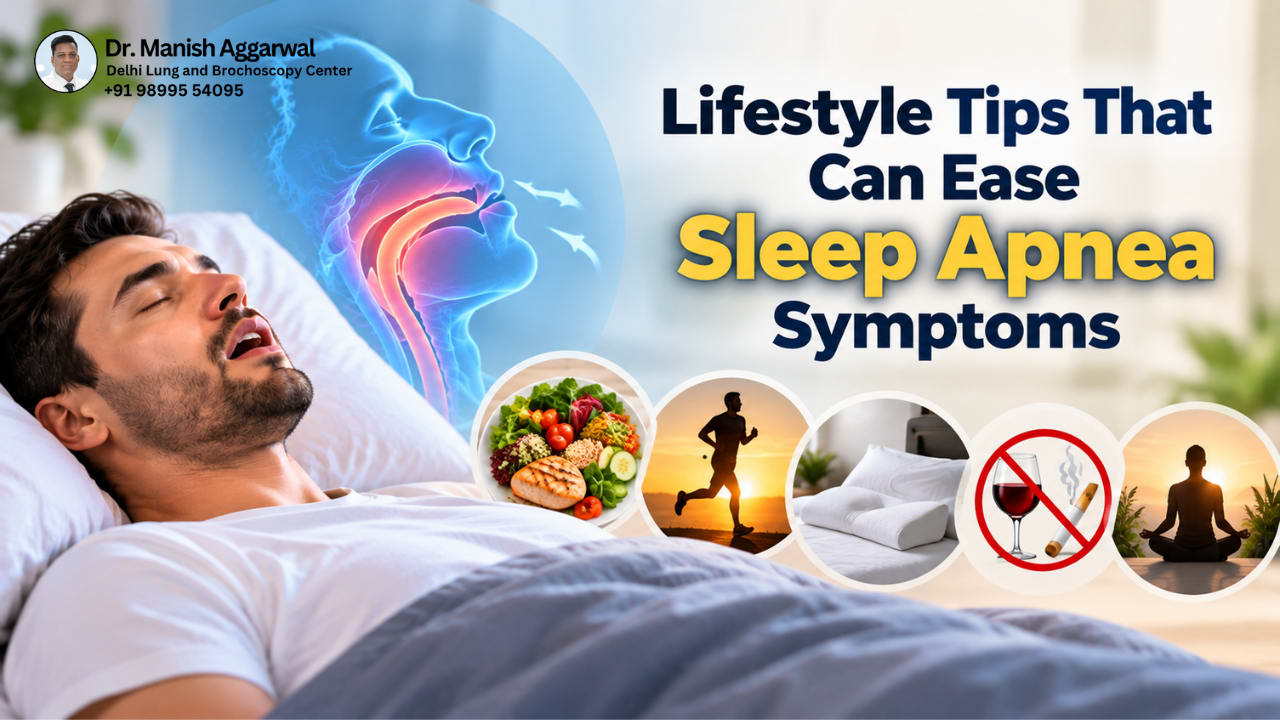
These habits support medical treatment but do not replace it:
Maintain a healthy weight
Avoid alcohol and sedatives close to bedtime
Sleep on your side instead of your back
Follow a regular sleep schedule
Quit smoking
Manage nasal allergies or congestion
Conclusion
Snoring, gasping, and constant tiredness are your body’s way of asking for help. Please do not brush these sleep apnea symptoms off as stress or age. Testing is simple, treatment works well, and better sleep can change how you feel every day.
Book a Consultation with Dr. Manish Aggarwal
If you recognise these sleep apnea symptoms in yourself or someone you love, don’t wait for them to get worse. Dr. Manish Aggarwal, a pulmonologist and lung specialist, can assess your symptoms, recommend the right sleep test, and create a treatment plan to help you breathe and sleep better.
📞 +91 98995 54095
📍 BM 2, opposite Prabhu Dayal Public School, Shalimar Bagh, Delhi, 110034
Disclaimer: This article is for general awareness and does not replace professional medical advice. Please consult a qualified doctor for diagnosis and treatment.
Frequently Asked Questions
Early sleep apnea symptoms usually include regular snoring, restless sleep, and feeling unrefreshed in the morning.
Yes. Some people have other sleep apnea symptoms, such as gasping, morning headaches, and daytime sleepiness, without loud snoring.
Rarely. Without treatment, they tend to continue or worsen over time. Weight loss and lifestyle changes can help some people, but a medical evaluation is essential.
A pulmonologist or sleep specialist can evaluate your symptoms, arrange a sleep study, and guide your treatment.